Filed from
Houston, TX
Why the Balcones fault, Texas blackland clay and reflected heat can make two properties a few miles apart grow completely different landscapes, and how to read yours.
All Dispatches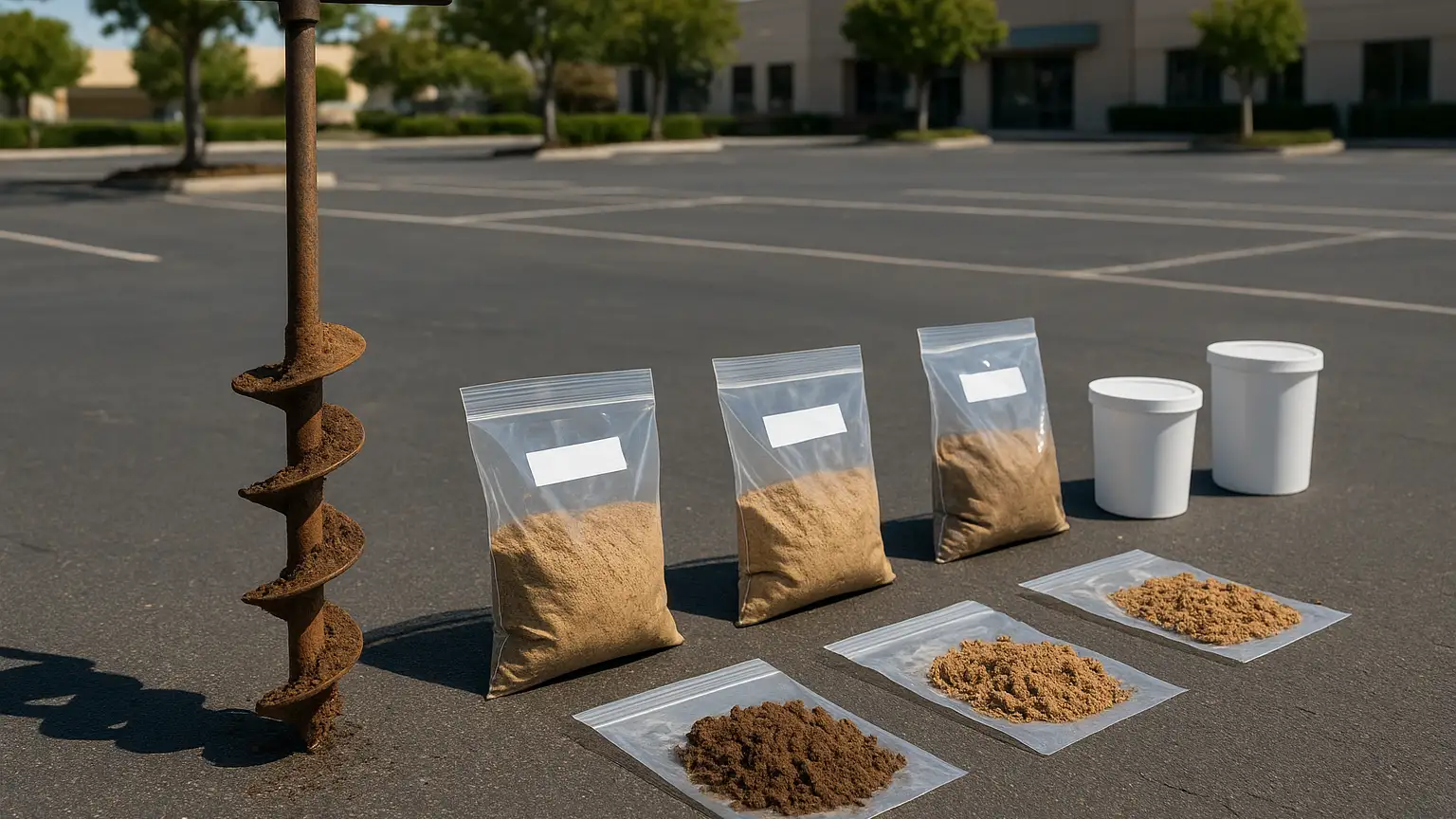
The Dirt Under Your Parking Lot Is Not Their Dirt
Part 2 of 3 in the series The Grounds That Give You Away: Commercial Landscaping Secrets from Across Historic Texas.
Part one looked at how showy "postcard" plant lists quietly turn into permanent water bills. There is a second half to that story. Even the right plant list, chosen with care, can thrive at one property and struggle at another two miles down the road. The plants did not change. The ground did.
This series was developed with field insights from Lawn John, whose crews have spent years watching identical installs behave in completely different ways depending on what sits under the mulch. Your site has a personality, and it will tell you what it wants long before a designer does.
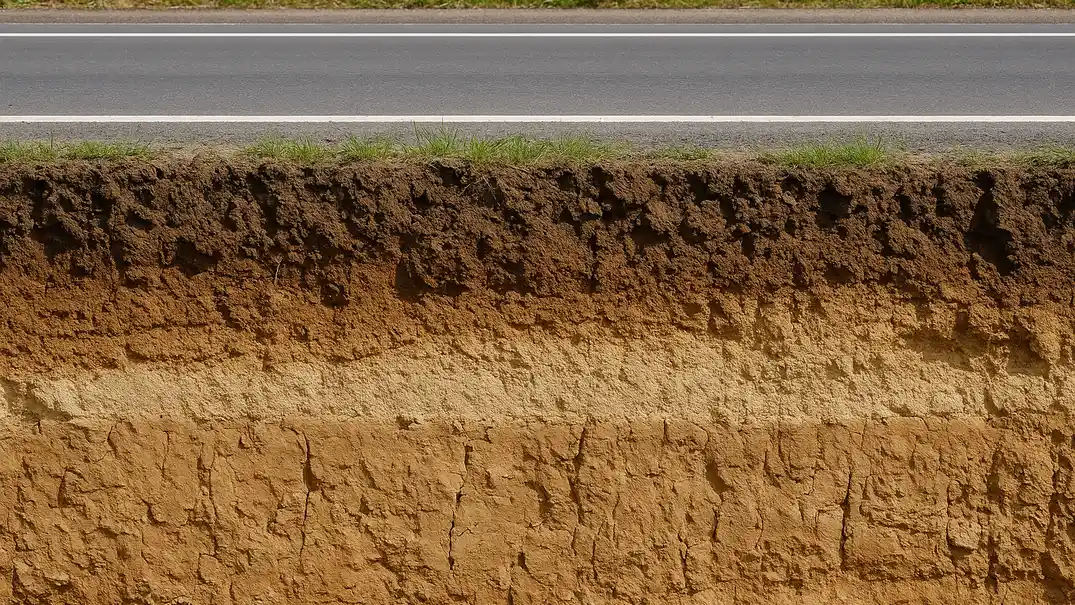
Texas soil does not follow property lines. A single highway can sit right on top of a geologic seam. On one side you get deep blackland clay that holds water like a bathtub and swells and shrinks with every dry spell. On the other you hit sandy loam that drains so fast a new bed dries out in two days. Same rainfall, same sun, completely different plant behavior.
Interstate 35 is the clearest example in the state. For long stretches between San Antonio and Austin the highway runs close to the Balcones Escarpment, the old fault zone where the limestone of the Hill Country drops away to the Blackland Prairie. West of that line, builders hit thin soil and rock within inches. East of it, the ground turns into deep, dark clay that once made the prairie some of the best cotton country in Texas. Settlers read that boundary with their plows long before anyone mapped it, and towns like New Braunfels and San Marcos grew up around the springs that break out along the fault.
That prairie clay even has an official title. In 1997 Texas named Houston Black its state soil, a dense clay that swells after rain and cracks wide open in a dry spell. Around the city of Houston, longtime residents call their own heavy coastal clay gumbo, and anyone who has tried to dig a post hole in it after a storm understands the name. A commercial bed sitting on that material behaves nothing like one built on the sandy soils a short drive north in the Piney Woods.
Soil is not just texture. It is chemistry, and chemistry decides whether a plant can even use the nutrients sitting right next to its roots.
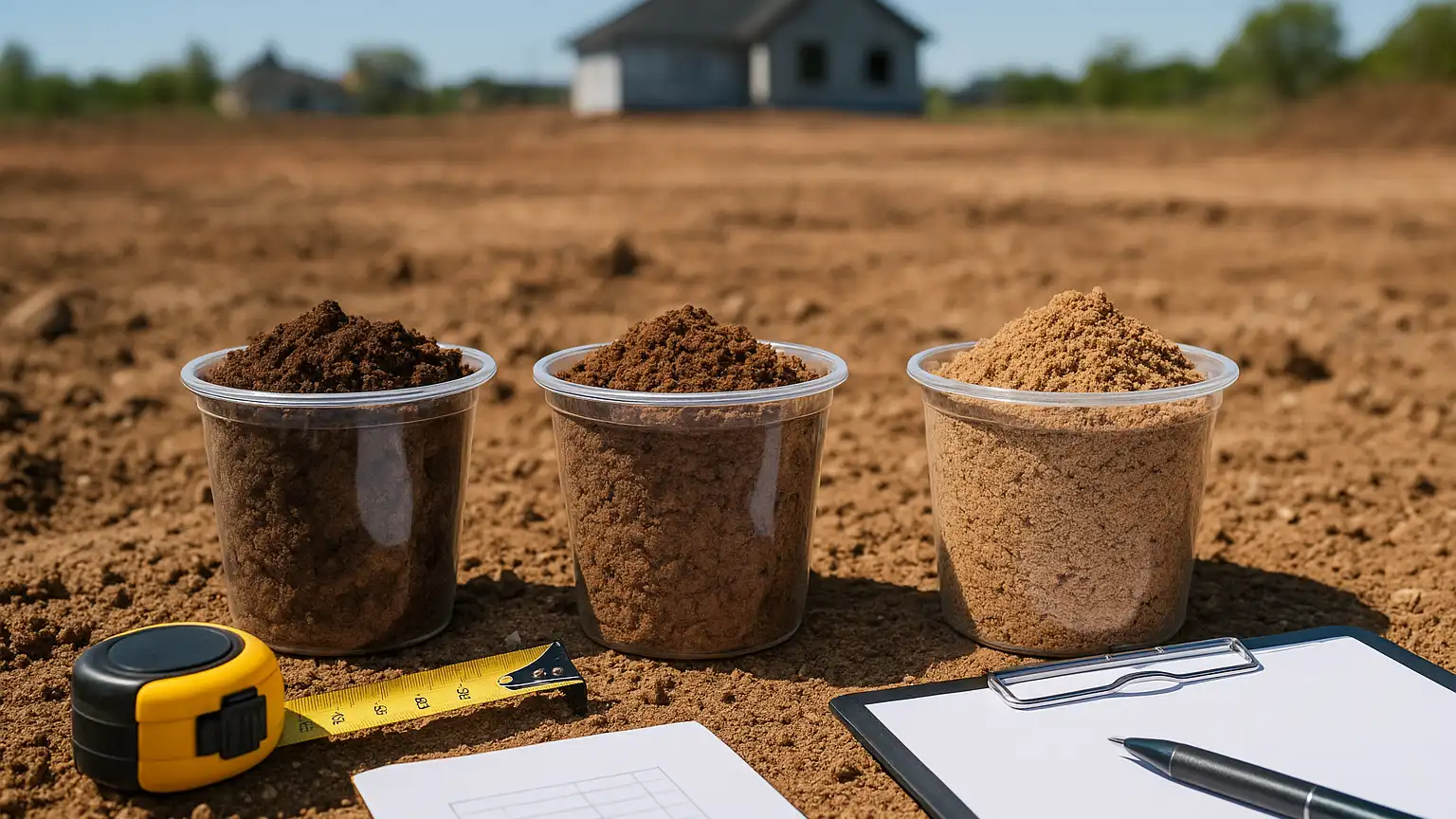
A basic soil test costs less than one replacement tree. Pull samples from three or four zones, not one, because a large commercial site often has several soil types sitting side by side thanks to grading and imported fill.
Open Call for Records
Old postcards, church ledgers, family letters and county records all help fill in the archive. Send yours and it may shape a future dispatch.
Heat Islands, Shade Pockets and the Ten Degree Gap
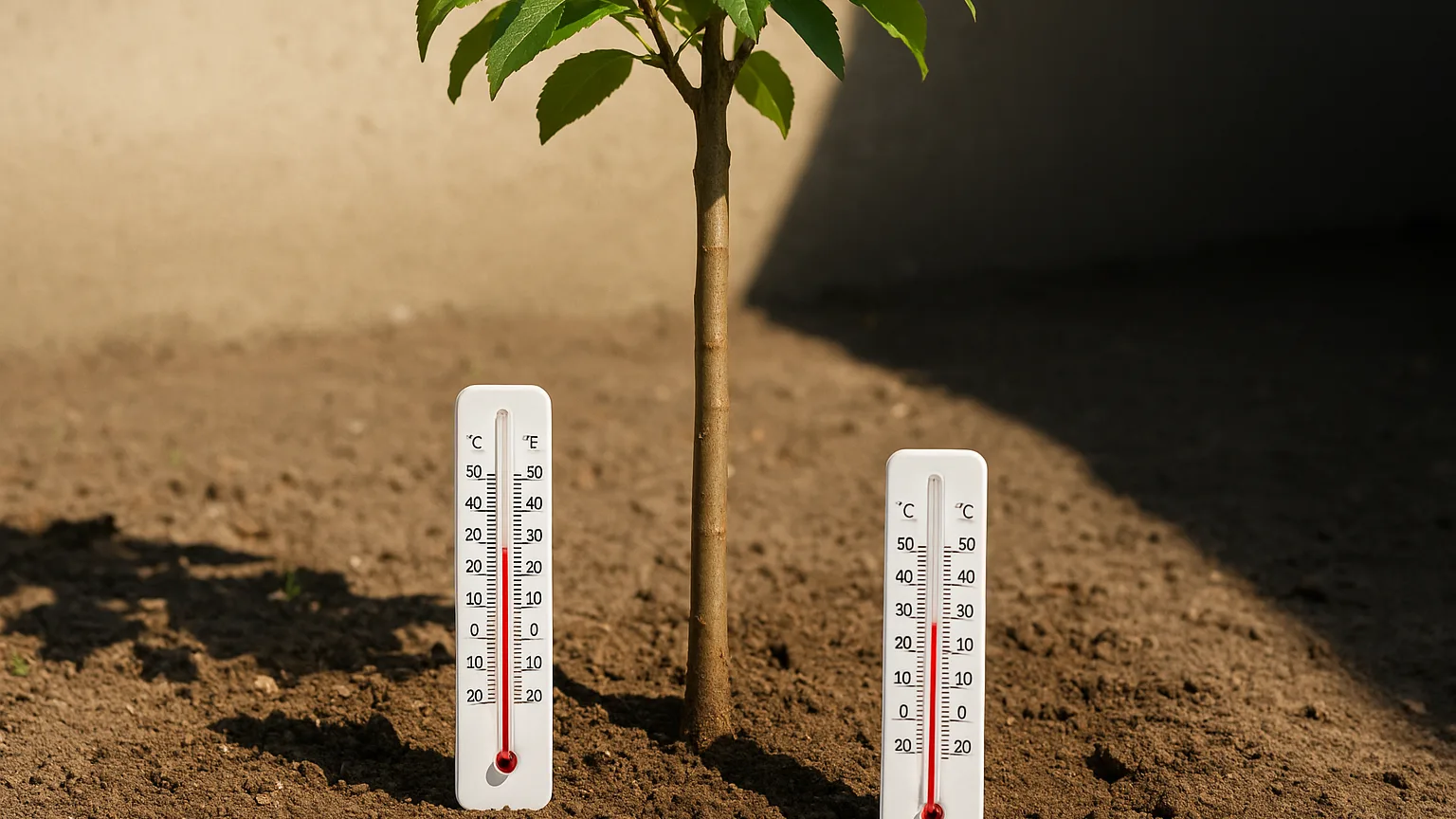
Walk a commercial property at three in the afternoon in August with an infrared thermometer. Turf in open lawn might read 95 degrees. The same turf six feet from a south-facing brick wall can read 115. Asphalt nearby hits 140 and radiates that heat sideways into every bed along the edge.
This is the variable almost nobody prices into a landscape plan. A hotel with a large asphalt lot and a light-colored stucco facade is essentially running an oven on its south side. The property across the highway, with a tree line on its western boundary and a smaller lot, is growing plants in a totally different climate even though the weather report says otherwise.
Light-colored building materials bounce sunlight and glass curtain walls concentrate it. West-facing storefronts get hammered from two in the afternoon until sunset, exactly the window when plants shut down and stop transpiring. A plant rated for full sun is rated for full sun, not full sun plus reflected sun plus radiant heat coming off pavement behind it.
This is why watering advice that works in a residential yard falls apart on a commercial site. Field crews learn quickly that watering in extreme heat requires different timing and volume than the manufacturer default on an irrigation controller, especially in zones surrounded by hard surface. The same eight minute cycle that keeps one bed healthy leaves another one crisp.
You do not need equipment to do a rough version of this. Walk the property four times: early morning, midday, mid afternoon and just before sunset. Note where shadows fall in summer versus winter, since the sun angle changes dramatically. Then mark these zones:
Those five zones usually need five different plant palettes and five different irrigation schedules. Treating a property as one uniform canvas is the fastest way to guarantee that a third of it underperforms. Anyone who has looked into Texas facts knows the state crosses multiple ecological regions, sometimes within a single county line.
Following the Water Before You Buy a Single Plant
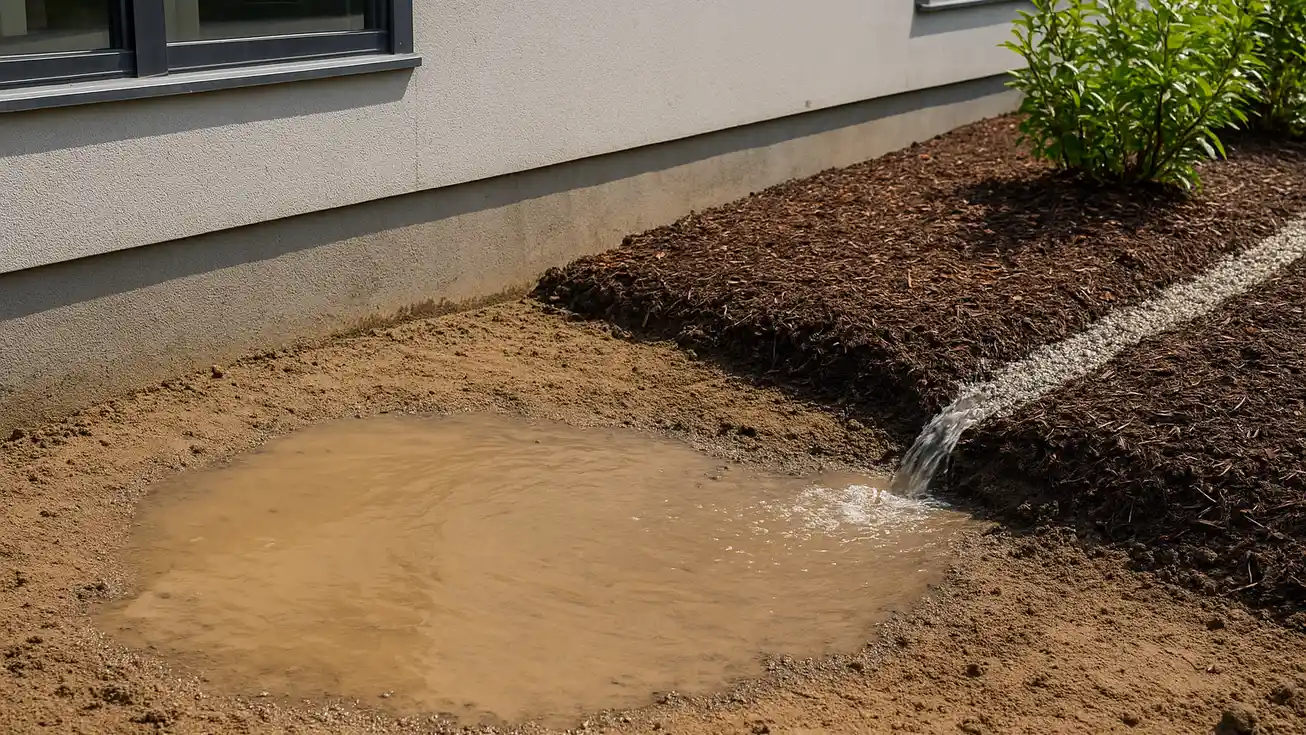
Water tells the truth about a property faster than any other test. It only moves one direction, and it always ends up somewhere. On a commercial site, that somewhere is usually a place nobody planned for.
The most useful hour a property manager can spend is standing outside during a real downpour, umbrella in hand, watching. Where does the sheet flow come off the roof? Where does the parking lot dump? Which island gets scoured and which one turns into a pond? Ten minutes of rain will show you more than a topographic survey.
Once you know where water collects and where it runs off, plant selection gets easy. Moisture lovers go in the catch zones. Tough, drought-adapted material goes on the ridges and the hot edges. Fighting the site's hydrology with irrigation is expensive forever. Working with it is free after installation.
The crews at Lawn John have found that properties with the fewest replacement costs are the ones where somebody did the unglamorous homework first, before a single dollar went to plant material:
That whole list can be done in a day or two, and it routinely saves five figures over three years. The properties that skip it are the ones replacing the same six shrubs every spring and calling it normal.
Older Texas properties often look effortless because they were built before mechanical irrigation made it possible to ignore the site. Builders read the land because they had no other option. Anyone touring historic spots around Austin can see it in the placement of shade trees, the orientation of courtyards and the way water was directed away from foundations and toward planted areas on purpose.
That instinct is worth borrowing. The site reading described here works alongside the plant selection approach from the "postcard planting" guide, and it pays off again when fall maintenance season arrives and seasonal care decisions either protect or waste everything installed that year.
Two properties one highway apart are never actually identical. One sits on clay, one on loam. One bakes against west-facing glass, the other cools under a tree line. One drains into a swale, the other holds water in a bowl nobody graded out. The plants in the truck were the same. Everything under and around them was not. That gap is where landscape budgets quietly disappear, and where the biggest wins hide for anyone willing to look.
Reading a site takes a soil probe, a rainy afternoon and a willingness to walk the property when it is uncomfortable outside. It is not expensive and it is not complicated, but it changes every decision that follows: what gets planted, where irrigation runs, how much water the property uses and how good the grounds look to a guest pulling in for the first time. Get the reading right and the plants mostly take care of themselves. Skip it and you will spend years paying for information the ground would have given you for free.