Filed from
Houston, Texas
One design habit turns Texas commercial grounds into an irrigation money pit. The state has been learning the fix since the 1950s drought of record.
All Dispatches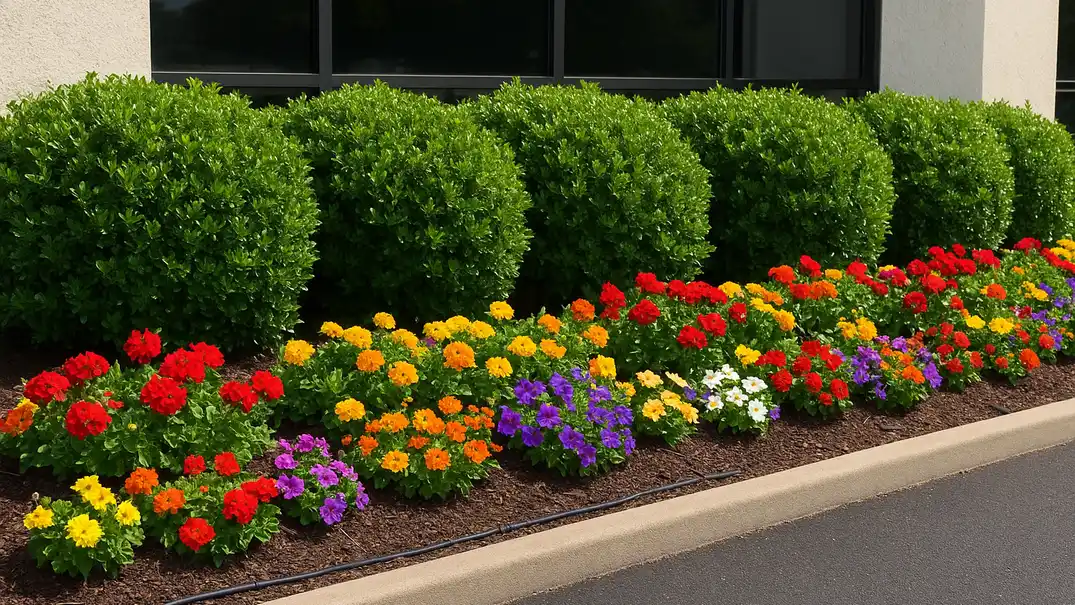
Why Day-One Curb Appeal Gets Expensive Fast
Part 1 of 3 in the series The Grounds That Give You Away: Commercial Landscaping Secrets from Across Historic Texas.
Walk up to a newly finished commercial property in July and you can usually see exactly where the money went. It is in the front bed. Dense color, glossy leaves, tight rows of shrubs that look like they were pressed into place with a ruler. It photographs beautifully. It leases space. It makes the ribbon cutting look like a magazine spread.
Then the second summer arrives, and the water bill starts telling a different story. This series was shaped by field insights from Lawn John, whose crews maintain commercial grounds across some of the hottest, hardest stretches of Texas soil, and one pattern comes up again and again on their service calls. The plants are not failing because nobody cares for them. They are failing because they were never built to live here without a hose running.
We call it postcard planting. It is the habit of designing a Texas commercial landscape around how it will look on opening day instead of how it will behave in its fourth August. It is common, it is easy to sell, and it quietly turns irrigation into one of the least examined line items on a property budget.
It is rarely one bad decision. It is a stack of small ones that all point the same direction, toward more water, more replacement, more labor.
Texas does not ease into a drought. It arrives, restrictions follow, and a landscape built on steady irrigation starts browning within weeks. Anyone who has spent time reading Texas facts about our rainfall swings knows the state can hand a property eleven inches in a spring month and then almost nothing until October. A planting plan that assumes average rainfall is planning for a year that rarely happens.
What makes this so easy to miss is that the cost never shows up as one big number. It spreads out. A little more water. A few more replacement flats. An extra service visit. A shrub row pulled and reset. By year three, a property manager is often spending more to keep the original design alive than the design cost to install.
Open Call for Records
Old postcards, church ledgers, family letters and county records all help fill in the archive. Send yours and it may shape a future dispatch.
What Century-Old Texas Grounds Knew
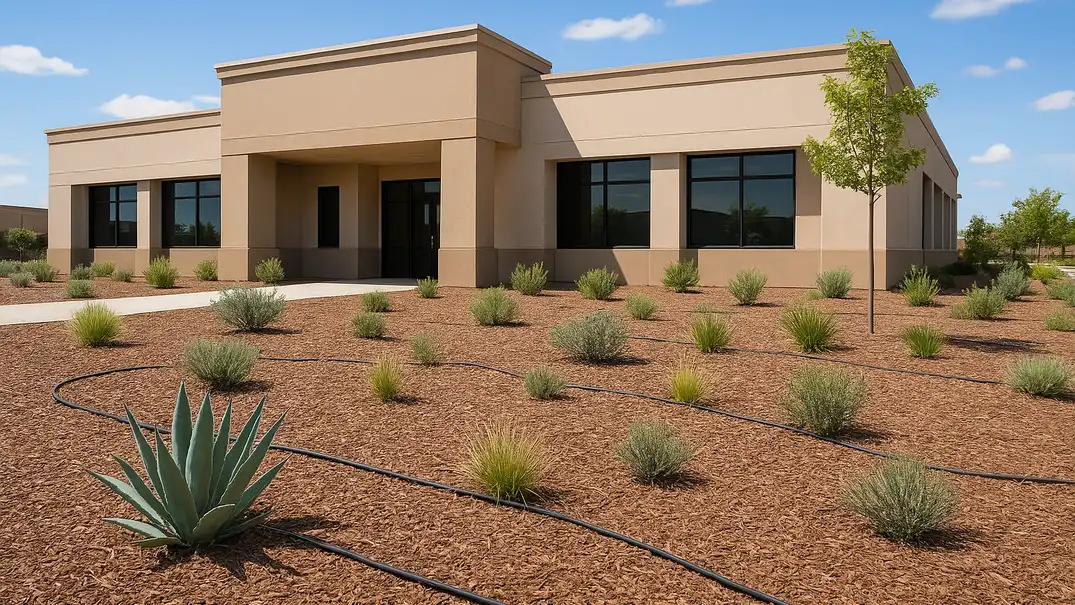
Here is the part that makes postcard planting feel strange once you see it. Texas already solved this problem, a long time ago, and the proof is still standing.
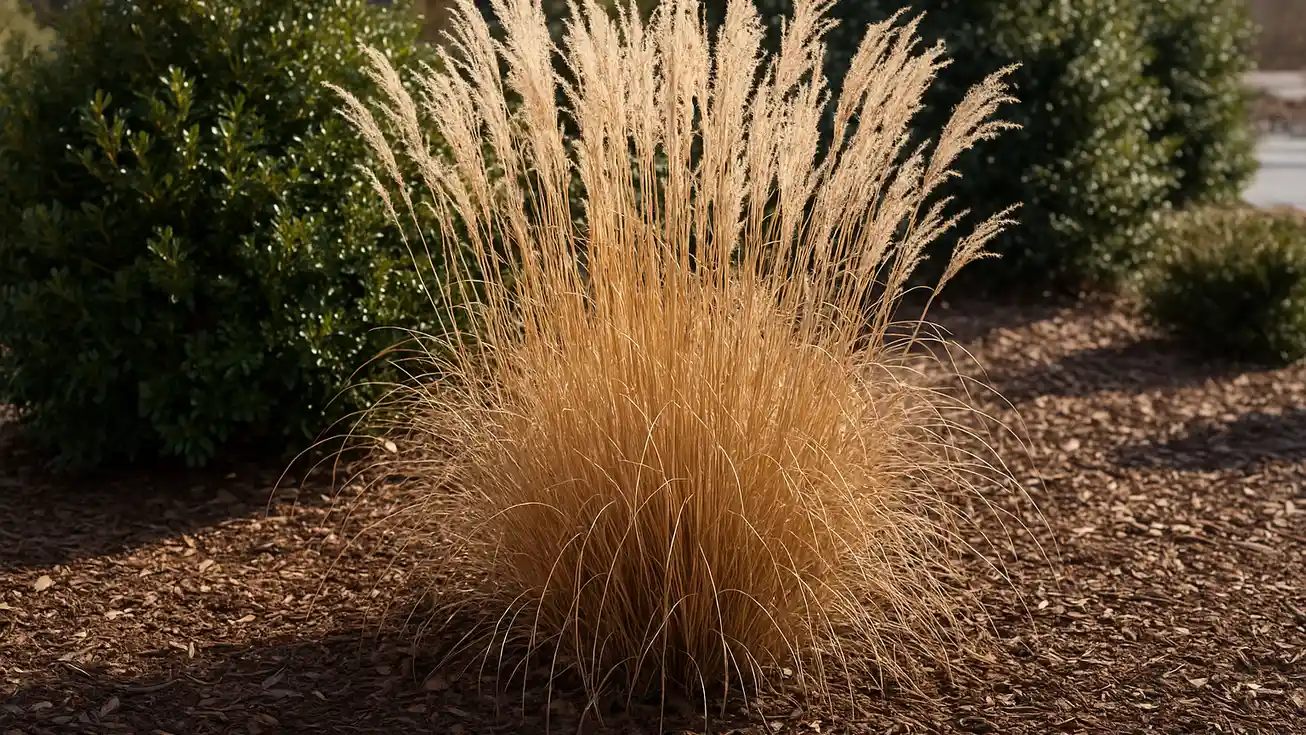
Look at the grounds around old courthouse squares, mission gardens, ranch headquarters, and downtown hotels that have been in continuous use since before anyone had an automatic sprinkler timer. Those landscapes are shaded, layered, and alive. They survived droughts that closed businesses. They did it with live oaks, cedar elms, crape myrtles, yaupon holly, and deep-rooted grasses that pulled moisture from soil no bedding plant could reach. Nobody was misting them nightly. They were simply the right plants for the ground they were sitting on.
"The strongest commercial properties we take over usually need fewer plants, not more," says Darnell Cruz, operations lead at Lawn John. "Once we swap the high-demand material out of the hot zones and let the tough stuff mature, the irrigation run times drop and the beds stop looking stressed by mid-July."
The drought that still sets the standard for Texas water planning ran from roughly 1950 to 1957. Stock tanks dried up, cities rationed water, and ranch families watched pasture they had grazed for generations turn to dust. It hit hard enough that the state created the Texas Water Development Board in 1957, and planners still call that decade the drought of record. Elmer Kelton later turned those years into The Time It Never Rained, a novel plenty of West Texans say reads more like memory than fiction.
The native plant movement grew out of the same hard ground. In the 1930s the Texas Highway Department hired landscape architect Jac Gubbels and started letting wildflowers reseed along the roadsides instead of mowing everything flat. In 1982 Lady Bird Johnson and actress Helen Hayes founded what is now the Lady Bird Johnson Wildflower Center in Austin to study and champion regional plants. In other words, commercial landscaping in Texas is still catching up to an idea the state's own road crews tested almost a century ago.
Native does not mean plain, and adapted does not mean second choice. It means the plant has already proven it can handle Texas heat, clay, caliche, and a dry spell that overstays its welcome.
Spend an afternoon among the older historic spots around Austin and you will notice the same plant list repeating across properties built a hundred years apart. That repetition is not a lack of imagination. It is a record of what survived.
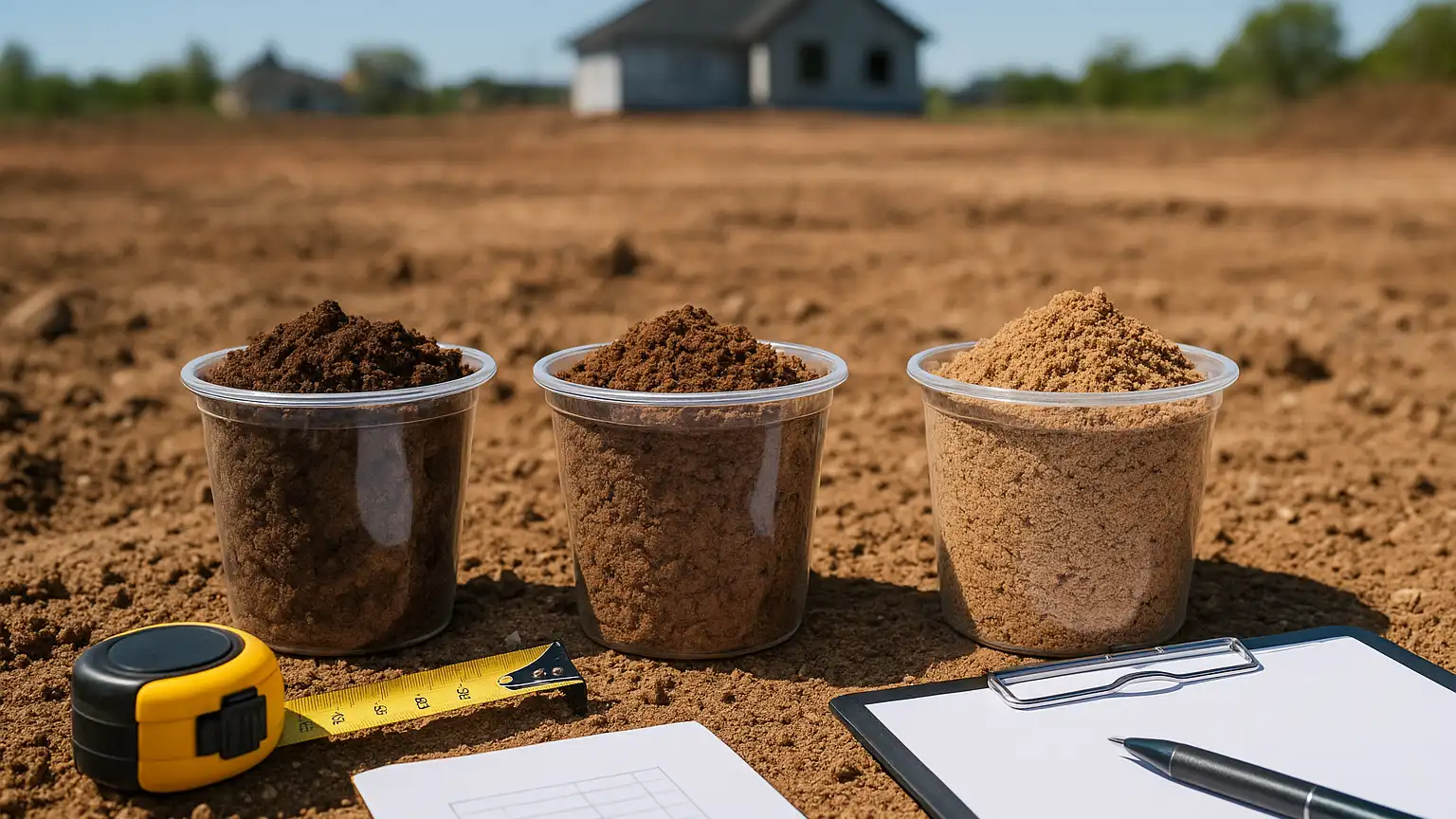
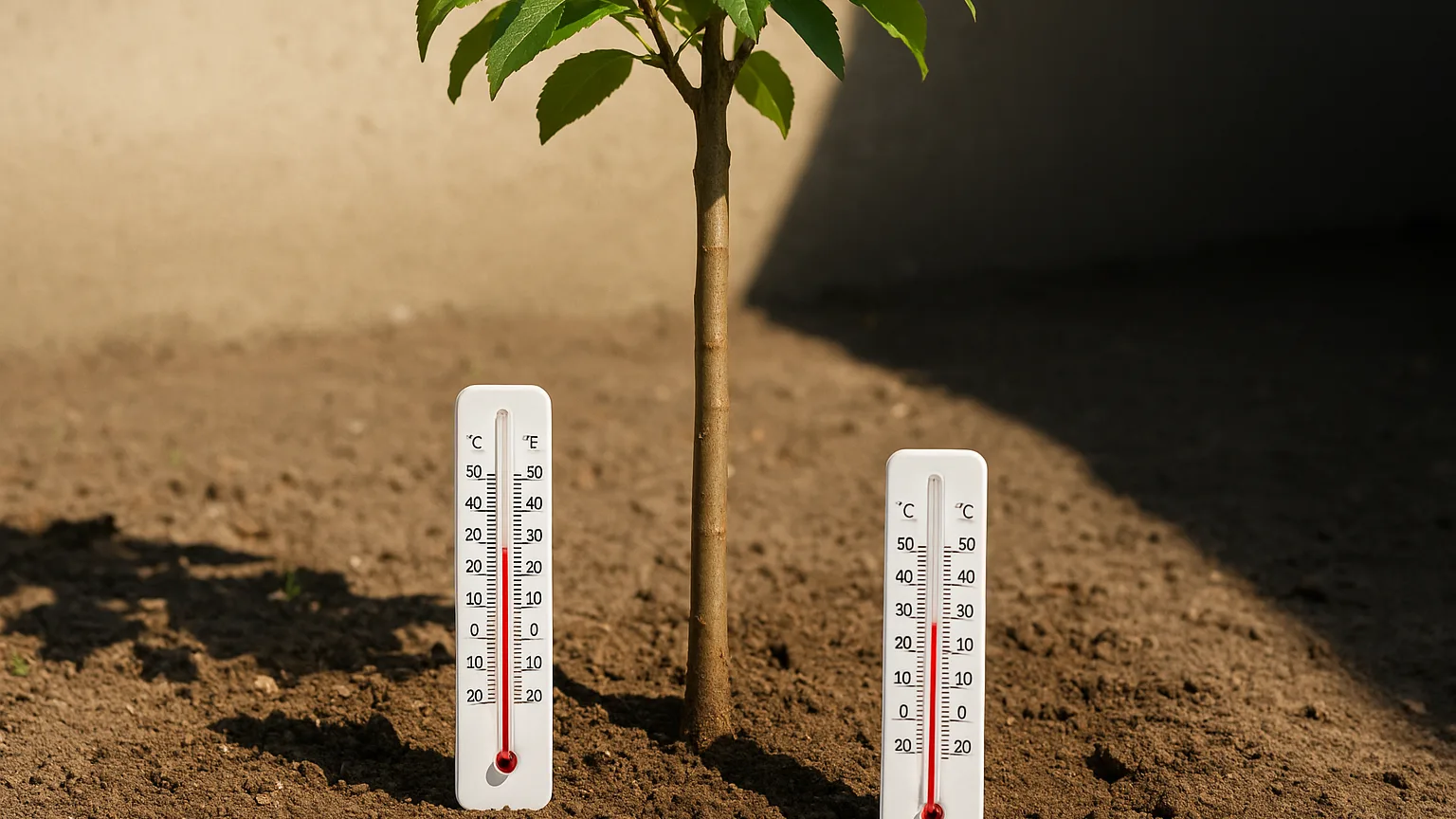
The catch is that the right plant list changes as you move across the state, and sometimes across a single parking lot, which is exactly where reading your own site's soil and heat becomes the deciding factor between a landscape that fills in and one that limps along.
Trading the Money Pit for a Working Landscape
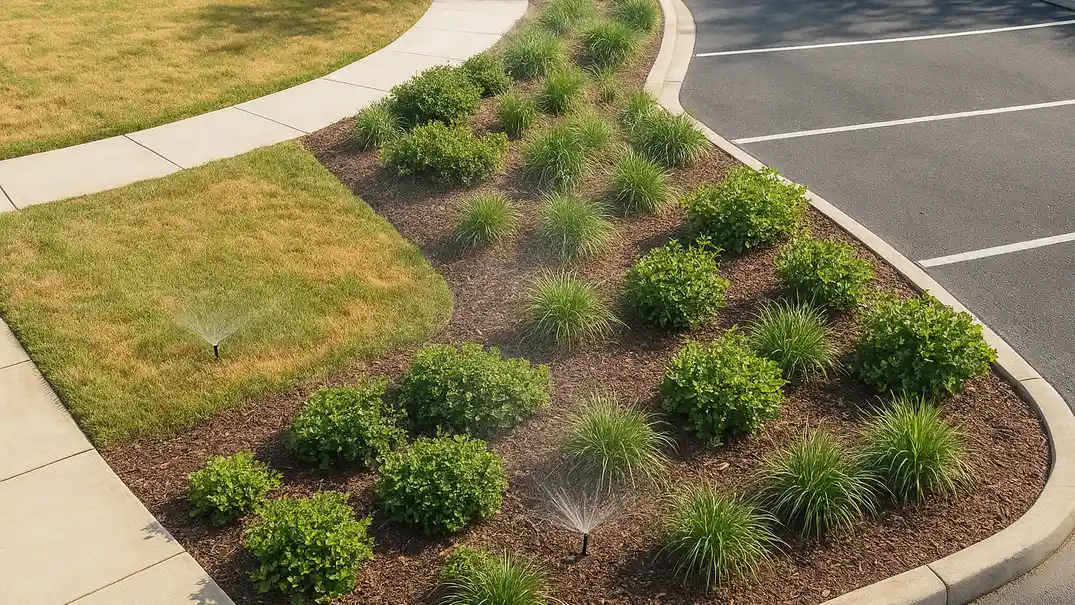
Most property managers inherit a landscape rather than design one. The good news is that you do not have to bulldoze anything to start pulling the water bill down.
Change the worst zones first and let the results pay for the next phase.
Timing matters as much as plant choice. Fall installation gives roots months to establish before heat returns, and skipping that window is closely tied to the errors covered in the fall maintenance mistake most Texas properties make, where a single seasonal shortcut undoes an entire year of work.
A guest, a tenant, or a buyer forms an opinion about your property in the seconds before they reach the door. Postcard planting wins that moment on day one and slowly loses it every summer after, because stressed plants and patchy beds read as neglect even when the maintenance budget has been generous. The trap is not that the design was ugly. The trap is that it was built for a photograph instead of a climate, and Texas eventually collects on that difference through the water meter, the replacement invoices, and the extra service hours nobody planned for.
The alternative is not a rock yard or a compromise on beauty. It is the same approach that has kept old Texas courthouse lawns and hotel gardens looking dignified through a century of droughts, freezes, and heat waves. Choose plants that already belong here, give them room to mature, water zones by what they actually need, and let shade do the heavy lifting. The landscape stops fighting the climate, the budget steadies, and the grounds finally start looking better in year five than they did on opening day.