Filed from
Missouri City, TX
From the Panhandle blizzards of the 1880s to Winter Storm Uri, Texas freezes punish grounds that skip fall prep. Here is the shortcut to stop and the calendar that replaces it.
All Dispatches
The October Shortcut That Costs You Spring
Part 3 of 3 in the series The Grounds That Give You Away: Commercial Landscaping Secrets from Across Historic Texas.
The first two parts of this series looked at what goes into the ground and where it goes. Part one took apart the showy planting plans that quietly run up water bills, and part two showed how soil, drainage and heat reflection can make two nearly identical sites behave like they sit in different states. Now comes the part almost nobody budgets for properly: what you do to those grounds between October and February.
This series was developed with insights from Lawn John, whose crews have spent years maintaining commercial properties across the Gulf Coast and North Texas, and whose observations shaped much of what follows about seasonal timing.
Here it is, plainly. The single most damaging thing Texas property managers do before winter is cut everything back hard, scalp the turf, blow the beds clean, and then walk away until March.
It feels responsible. The property looks tidy for the holidays. The mowing contract winds down. Budget pressure eases. Everybody moves on.
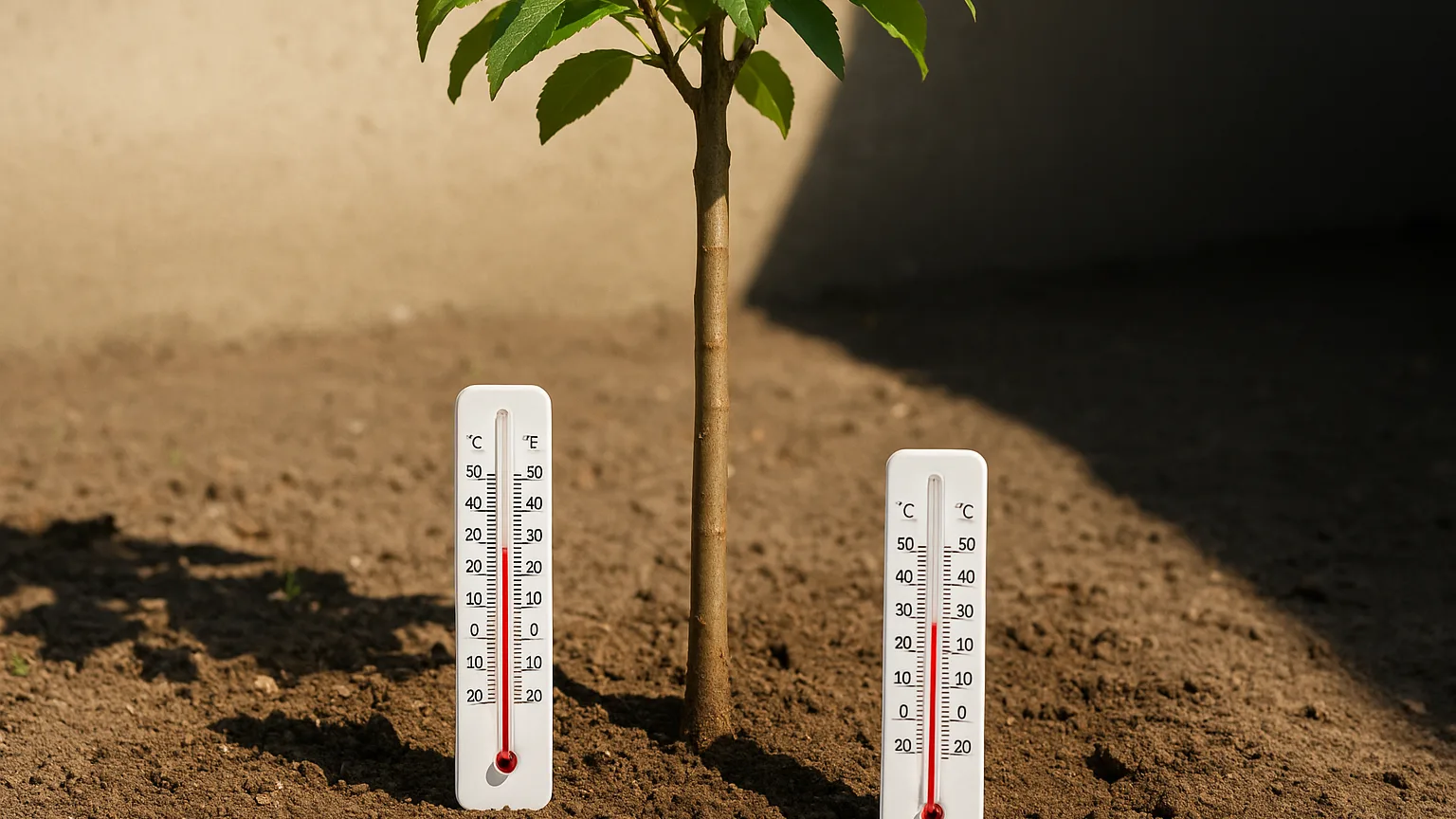
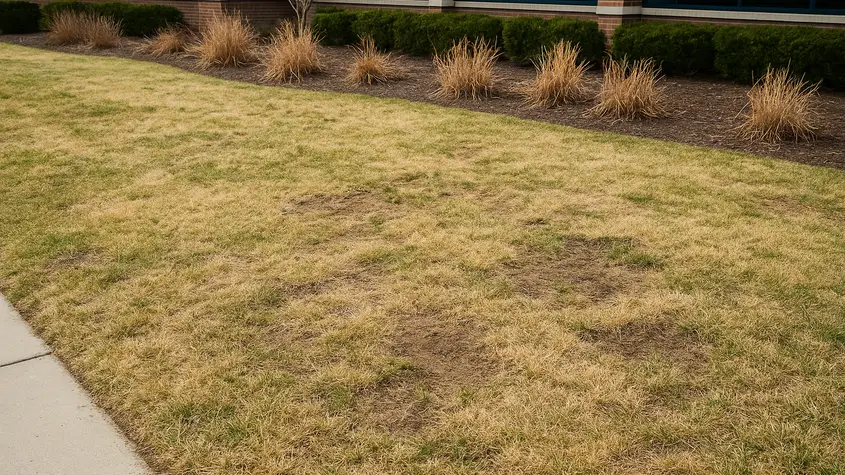
The problem is that a bare, scalped, mulch-thin landscape in December is a landscape with no insulation. Texas winters are not consistently cold. They are erratic. A week at 78 degrees followed by a hard freeze, then three weeks of mild weather, then a second freeze. That whiplash is far harder on plants than steady cold, and the one thing that buffers it is root-zone protection: mulch depth, retained leaf litter in bed areas, and turf left tall enough to shade its own crown.
Scalp the lawn in November and you expose the crowns. Strip the beds and you expose the roots. Then a Gulf Coast cold snap hits 24 degrees for eleven hours and you spend April replacing what you already paid for in March of the prior year.
None of that shows up on a November walkthrough. All of it shows up in your spring replacement invoice.
Open Call for Records
Old postcards, church ledgers, family letters and county records all help fill in the archive. Send yours and it may shape a future dispatch.
Winter Prep That Protects the Investment
Texans have a name for the way winter shows up here. A blue norther can drop the temperature thirty or forty degrees in a few hours, with barely a warning cloud on the horizon. In the winter of 1885 and 1886, storms drove Panhandle cattle south by the thousands until they piled up against drift fences. The Gulf Coast has its own list. In December 1989 a hard freeze pushed Houston into the single digits and killed citrus, palms and landscape beds across the region. In February 2021 Winter Storm Uri held much of the state below freezing for days, left millions without power, and sent property managers from Houston to Dallas out that spring to replace shrubs, turf and burst irrigation parts.
Missouri City has taken its share of those swings. The town grew out of prairie land that promoters marketed to buyers from Missouri in the 1890s, and much of it still sits on heavy coastal clay that holds cold water around roots after a freeze. Every one of those winters taught the same lesson. The grounds that came through best went into the cold with deep mulch, moist soil and turf left tall enough to protect itself.
The fix is not more work. In several cases it is less work, done at better times. Fall maintenance on a commercial property should be about armoring the site, not grooming it.
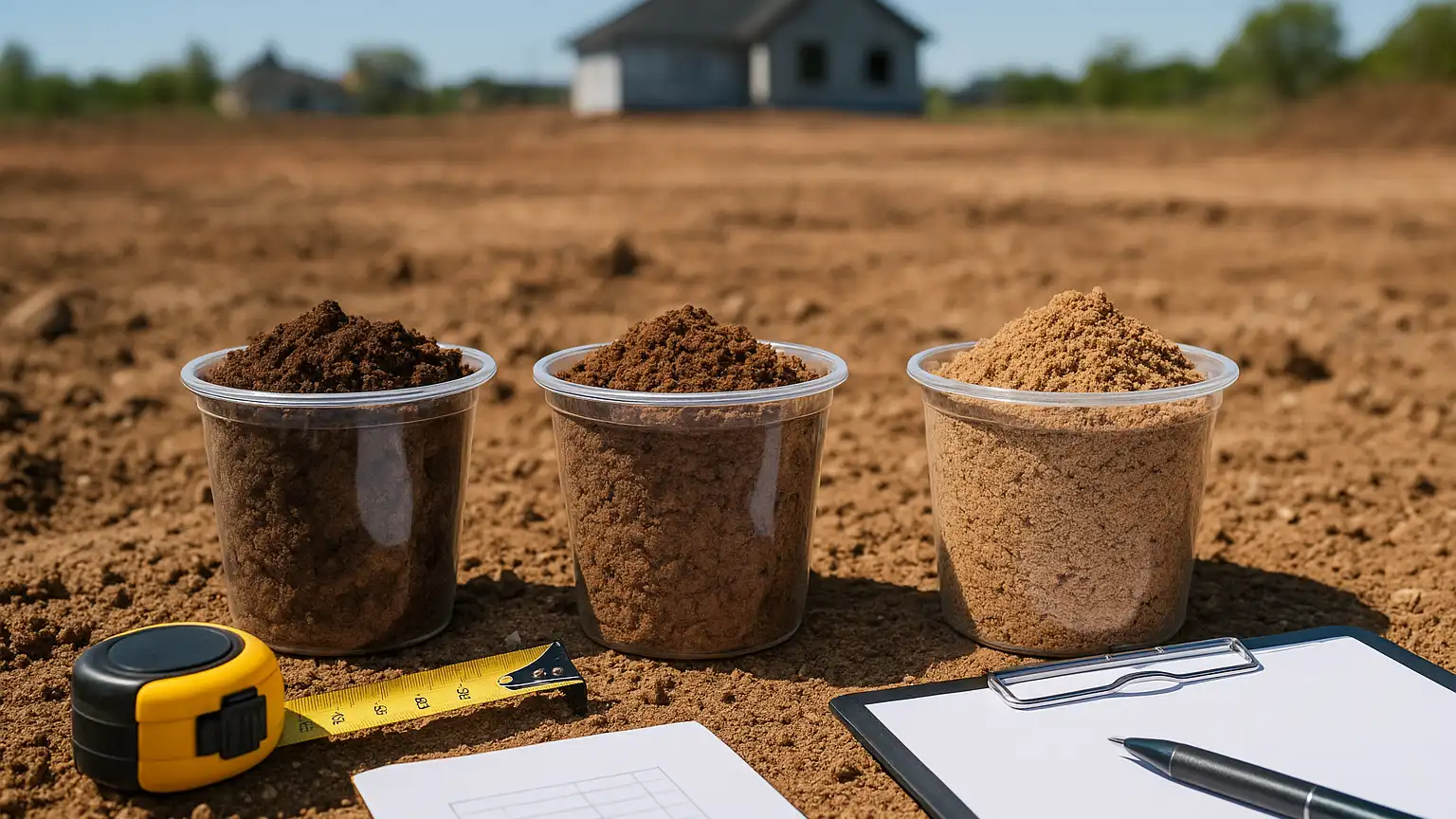
There is also a diagnostic angle here. Winter is when drainage problems reveal themselves, because the soil stays saturated longer and standing water lingers. If a bed holds water for two days after a January rain, that is site information you can act on, and it connects directly to everything our guide to reading commercial soil and drainage uncovered about reading your ground before you plant in it.
Plenty of Texas properties shut irrigation off entirely on November 1 and turn it back on April 1. That is a five-month gap in a climate that regularly delivers dry, windy, 70-degree Januarys.
Winter watering should be reduced, not eliminated. One deep cycle every two to three weeks during dry stretches keeps root systems alive and dramatically improves spring recovery. "The plants people lose in February usually died of thirst in January, not cold," says Marcus Delgado, operations manager at Lawn John, who notes that winter drought stress is consistently underdiagnosed on commercial sites across the Houston metro.
Texas has always been a place of extremes, which is part of what makes the surprising Texas facts about our climate so unforgiving to landscapes designed on autopilot. The properties that stay green are the ones managed by observation, not by calendar.
A Year-Round Calendar for Commercial Grounds
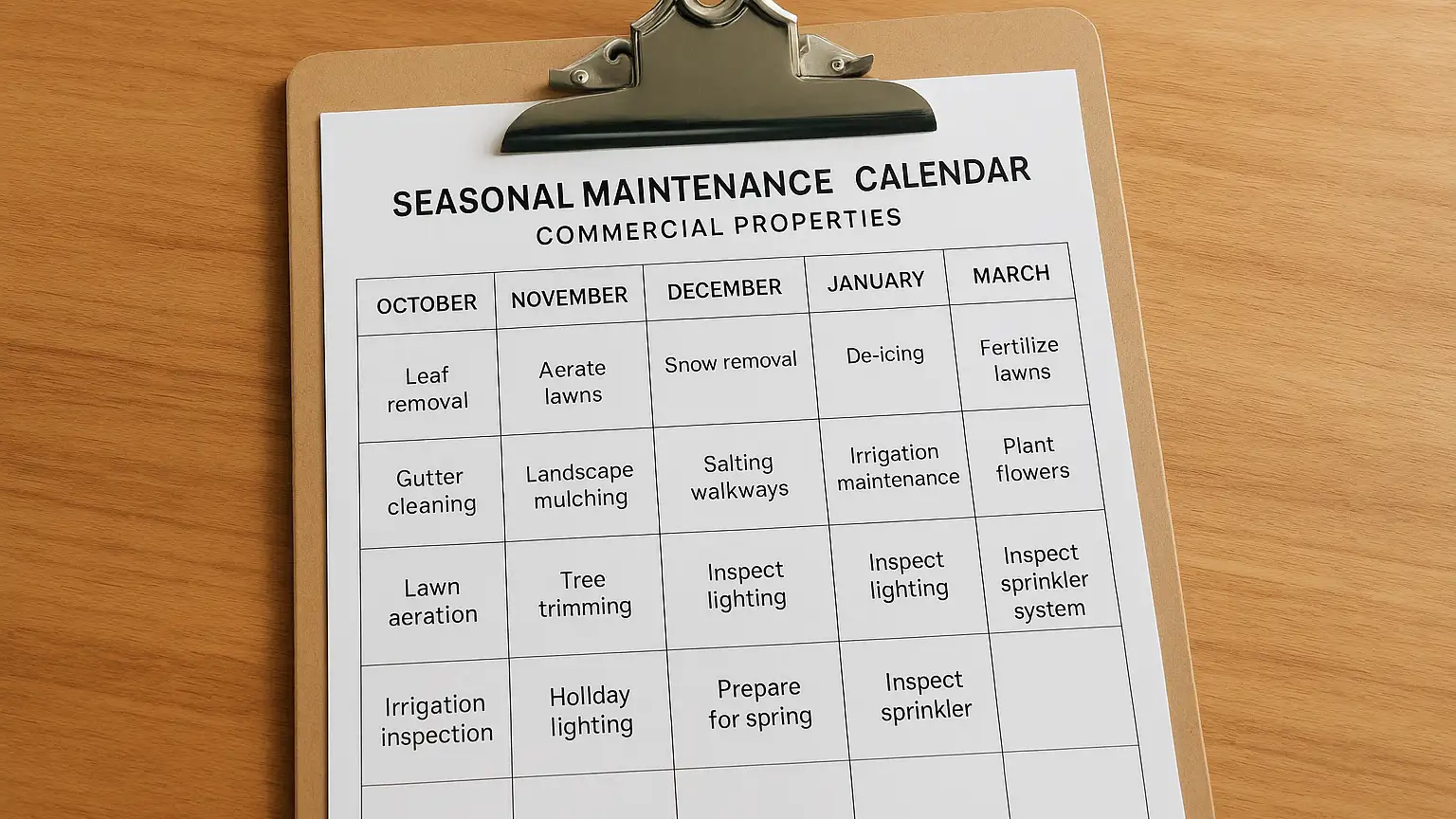
Winter prep only works if the other three seasons set it up. Here is a practical rhythm that keeps commercial grounds presentable in every month without spiking any single quarter of the budget.
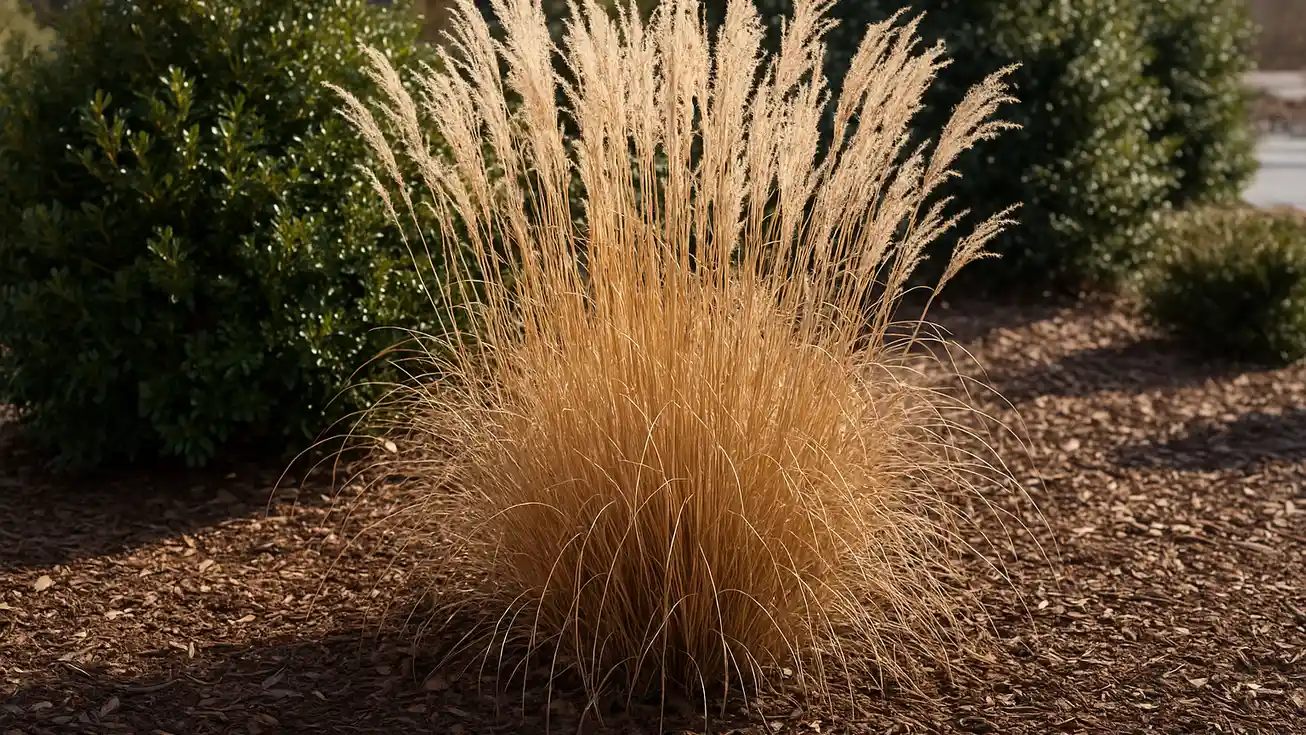
Cut back ornamental grasses and perennials now, after the last reliable freeze risk passes. Apply pre-emergent before soil temperatures hit 55 degrees, which in much of Texas means earlier than people expect. Prune summer-flowering shrubs. Inspect and repair irrigation heads before the first real demand hits, because a broken head found in February costs a service call and a broken head found in July costs a dead bed.
Spring is also when plant selection mistakes become obvious, which is exactly where the lessons from the "postcard planting" trap pay off, because the beds that need daily attention in May are almost always the beds designed for looks rather than climate.
Survival mode, managed well. Water deeply and less often, early in the morning. Never fertilize stressed turf in extreme heat. Keep mowing height high so roots stay shaded. Watch for chinch bugs in St. Augustine and brown patch in humid stretches. Refresh mulch in high-visibility entry beds if it has thinned, since mulch is doing more work in August than at any other point in the year.
This is also when heat reflection off parking lots and south-facing walls separates the thriving zones from the struggling ones on the same property. Crews familiar with commercial sites from downtown medical plazas to retail centers near historic spots around Austin tend to zone irrigation by exposure rather than by geography, which is a small change with a large result.
The season this article exists for. Aerate compacted turf in high-traffic areas. Top off mulch. Raise, do not lower, the final mowing heights. Apply a fall pre-emergent for winter weeds. Deep-water before freeze events. Prune only what is dead or hazardous, and save structural pruning for late winter. Walk the property after the first heavy rain and note every spot that holds water.
Across these three articles, the thread has been the same. A commercial landscape in Texas is not a decoration you install and forget. It is a living system that reads your decisions back to every guest, tenant and customer who walks up to your door. Part one showed how the prettiest planting plan can become the most expensive one. Part two showed how the ground itself, its chemistry, slope and exposure, quietly decides which plants get to succeed. And this final part showed how one tidy-looking autumn habit can erase a year of good decisions in a single cold snap.
The properties that look effortless in April are not lucky. They were watered in January, mulched in October, and mowed high in August. They were managed by people who treat the calendar as a guide and the site itself as the real authority. That is the whole secret, and it has never been complicated: pay attention in the seasons nobody photographs, and the grounds will take care of the seasons everybody does.