Filed from
Houston, Texas
A working series for Texas property managers: smarter plant choices, honest site reading, and a seasonal rhythm that keeps commercial grounds guest-ready.
All Dispatches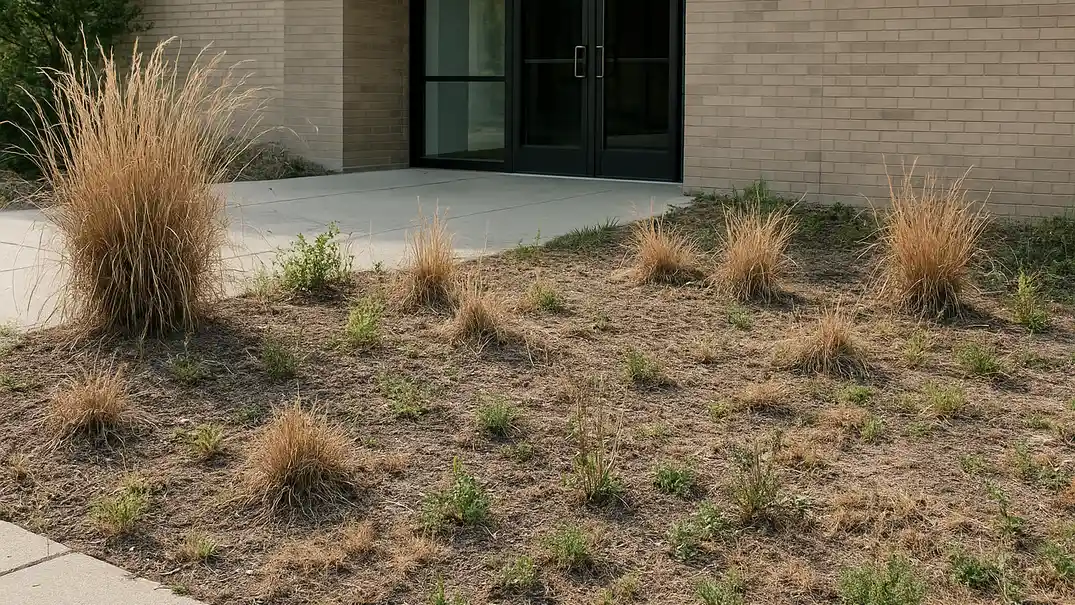
What This Series Sets Out to Fix
Guests judge a property before they ever reach the front door. They see the entry beds, the turf along the drive, the strip of ground between the parking lot and the sidewalk. None of it is mentioned in a review, yet all of it shapes the first impression of a hotel, a restaurant patio, an office park or a historic downtown building.
This three-part series is written for the people who carry that responsibility: property managers, owners, general managers and the crews who keep Texas commercial grounds looking intentional. The problem it walks through is a familiar one. A landscape gets installed, it looks sharp for a season, then the water bill climbs, half the beds thin out, and by the second summer the property is paying twice to fix what it already paid for once. That pattern is not bad luck. It is the predictable result of a few decisions made early and a few habits repeated every year.
Field input from Lawn John, a Houston-based commercial grounds crew, helped shape the practical side of these parts. Their day-to-day observations on what actually survives a Texas August informed the plant, soil and timing guidance you will find throughout.
The series also leans on something this archive sees every day. Texas courthouse squares, mission grounds and early downtown hotels have come through more than a century of drought and freeze, and the way they were planted still has plenty to teach the people managing newer buildings. Since 1999 the Texas Historical Commission has helped counties restore dozens of historic courthouses through its preservation program, and many of the lawns around them are still shaded by oaks planted when those buildings first went up.
Each part below stands on its own, but read together they form one continuous argument: the grounds tell the truth about how a property is run.
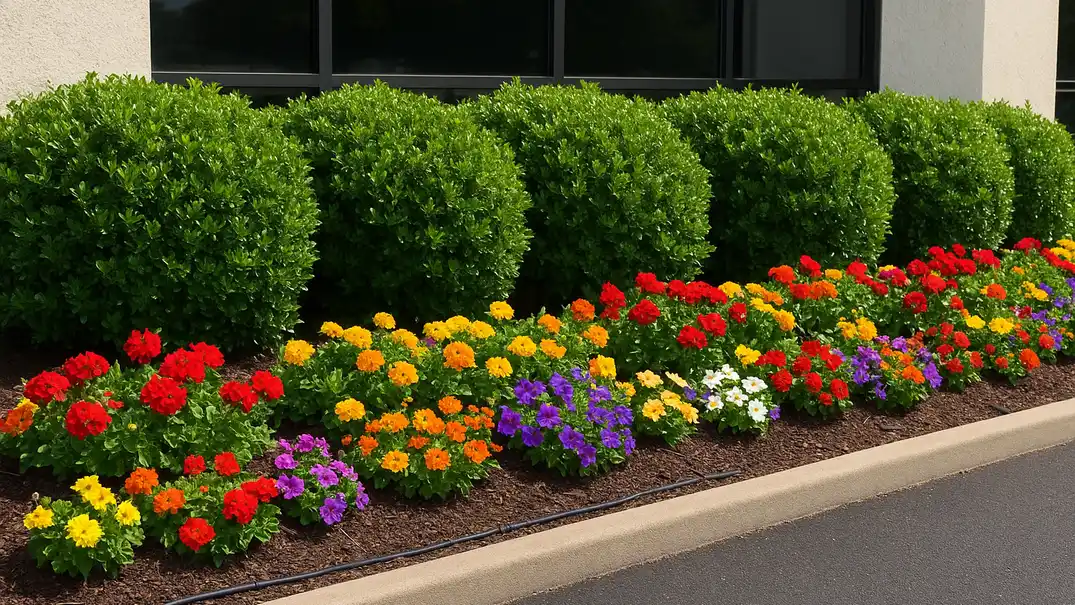
Part 1: The "Postcard Planting" Trap That Quietly Drains Commercial Water Budgets Across Texas
Uncovers the widespread design habit that looks impressive on day one but turns into an irrigation money pit, and reveals the native-and-adapted planting approach historic Texas properties have used for over a century.
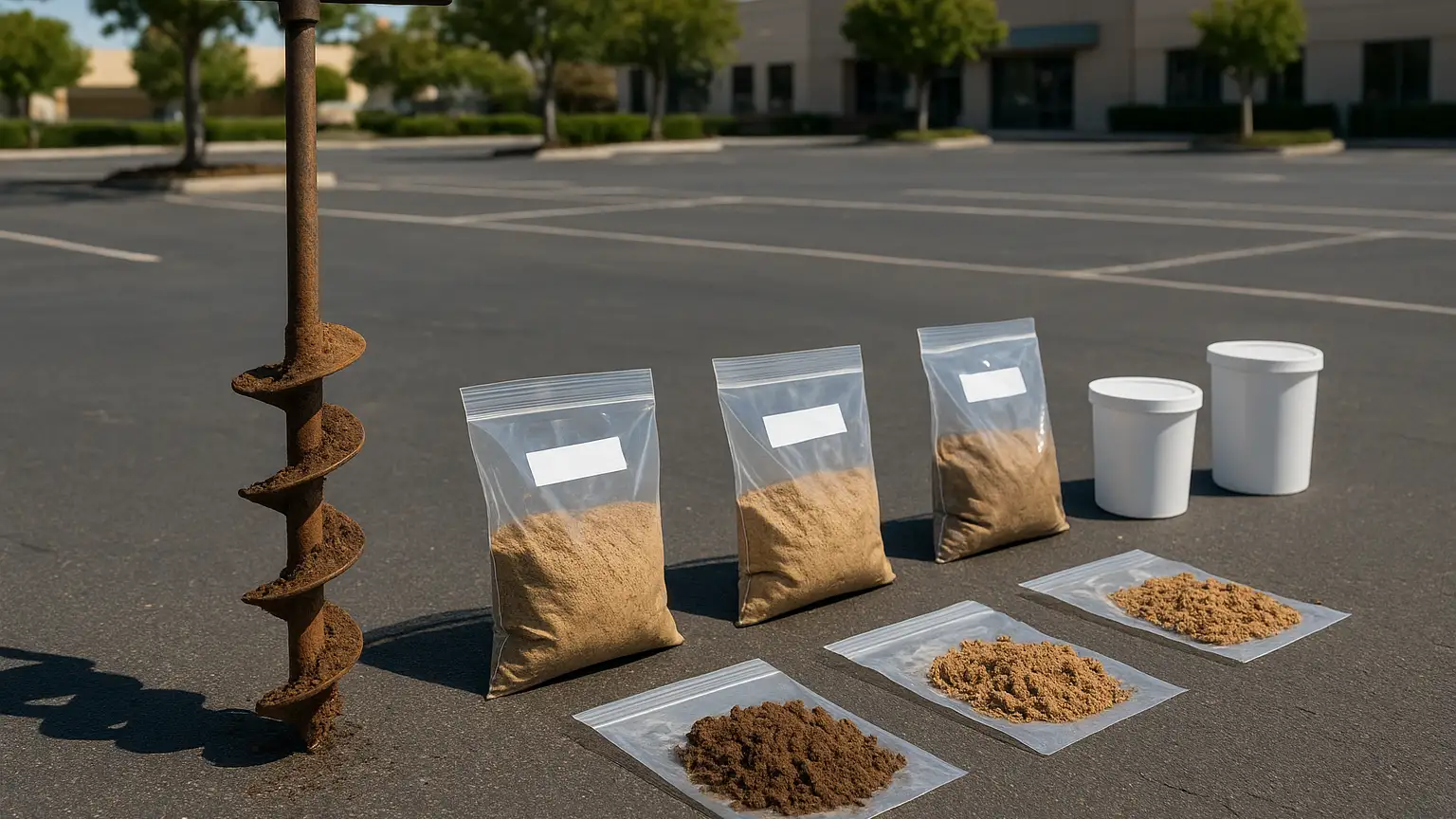
Part 2: Why Two Identical Properties One Highway Apart End Up With Wildly Different Grounds
Traces the hidden variables, including soil chemistry, heat reflection, drainage patterns and microclimate, that decide whether a commercial landscape thrives or struggles, and how to read your site before you spend a dollar on plants.
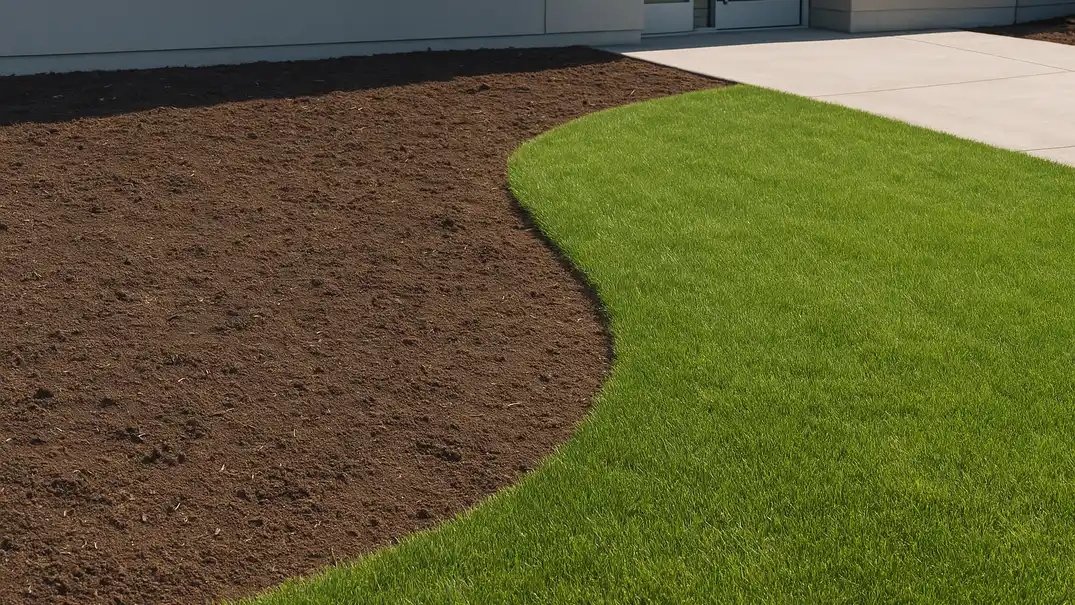
Part 3: The Maintenance Mistake Most Texas Property Managers Make Before Winter
Exposes the single seasonal shortcut that undoes an entire year of landscape investment, and lays out the year-round care calendar that keeps commercial grounds guest-ready in every season.
Open Call for Records
Old postcards, church ledgers, family letters and county records all help fill in the archive. Send yours and it may shape a future dispatch.
From Pretty Plans to Honest Ground Truth
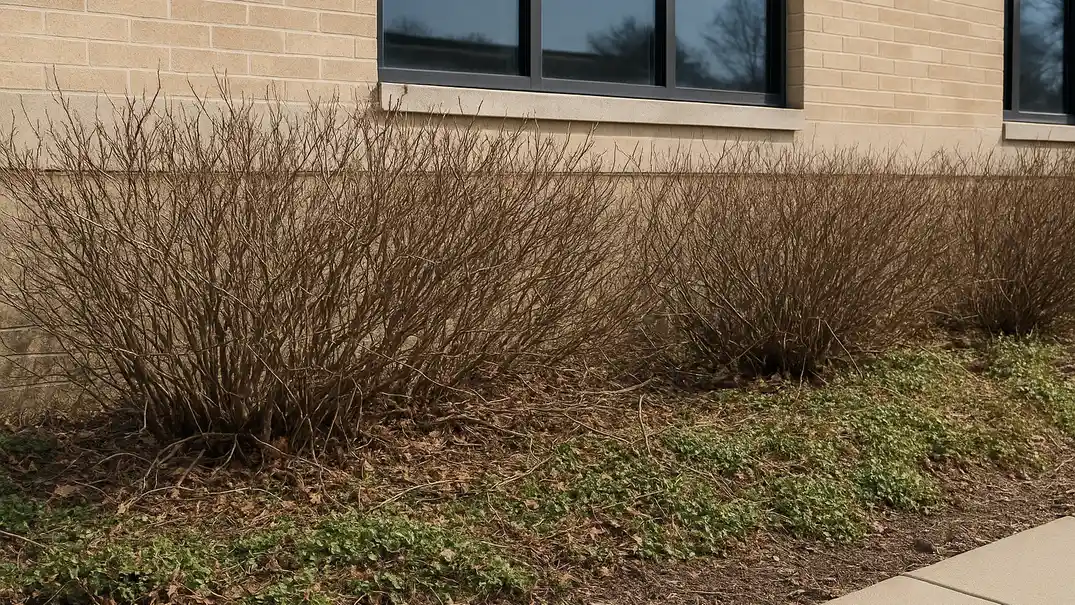
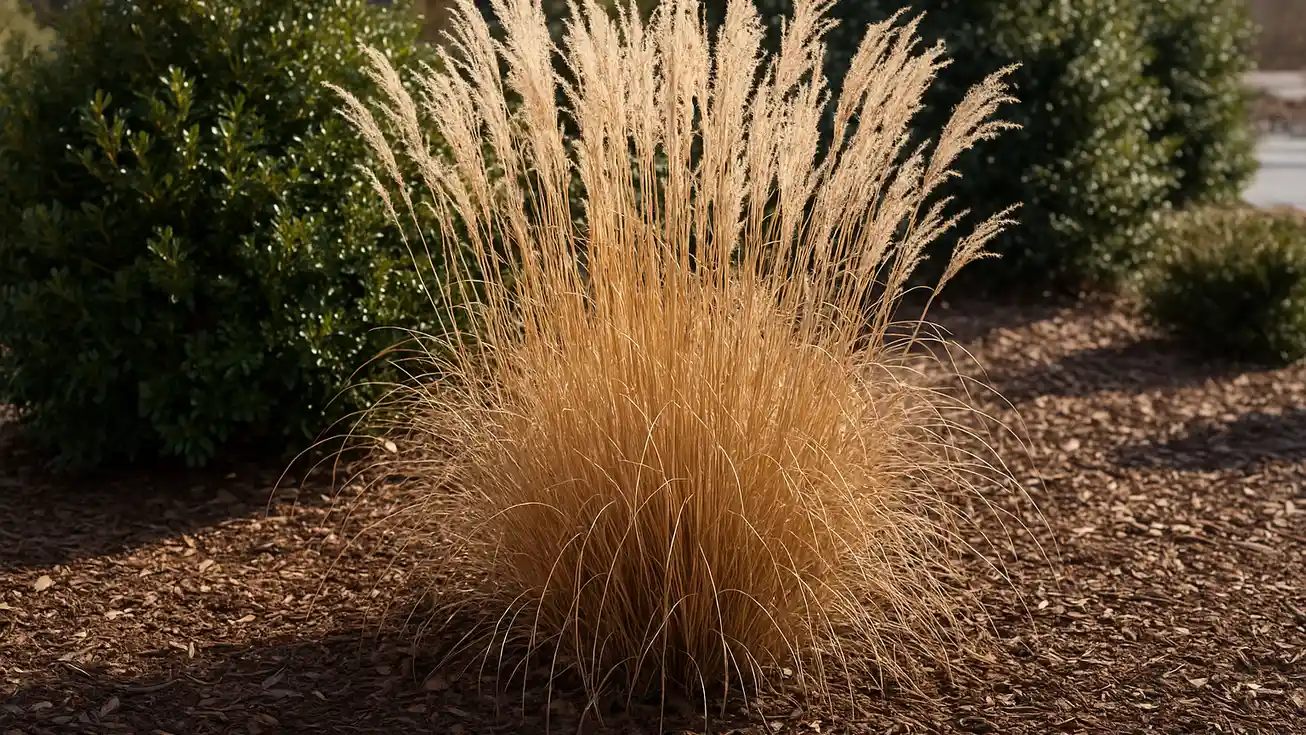
The first stretch of the series takes apart a design habit that shows up on commercial properties from Amarillo to the Gulf. Call it postcard planting. It is the lush, magazine-ready installation built around plants that were never meant to handle Texas heat, Texas soil or Texas water restrictions. On installation day it photographs beautifully. Eighteen months later it is an irrigation line item nobody can explain.
That part breaks down where the money actually goes:
Against that, it lays out the native and adapted approach that older Texas properties have leaned on for more than a century. Not a gravel-and-cactus compromise, but structured, seasonal, genuinely handsome planting that stops fighting the climate.
The second part answers a question that frustrates a lot of managers. Two buildings, similar age, similar budget, a few miles apart, and one has full beds while the other has bare spots and standing water. Nothing in the contract explains it.
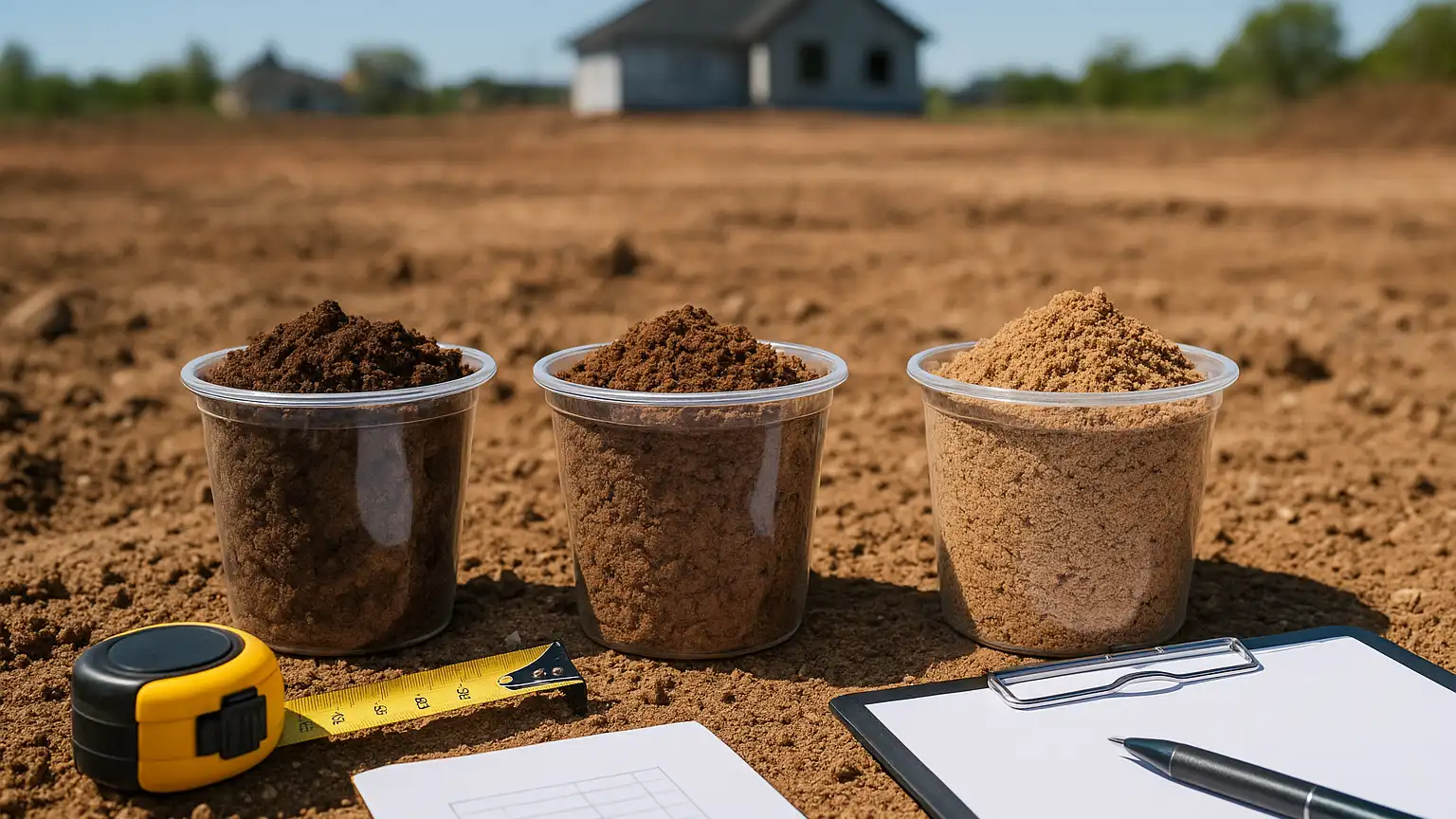
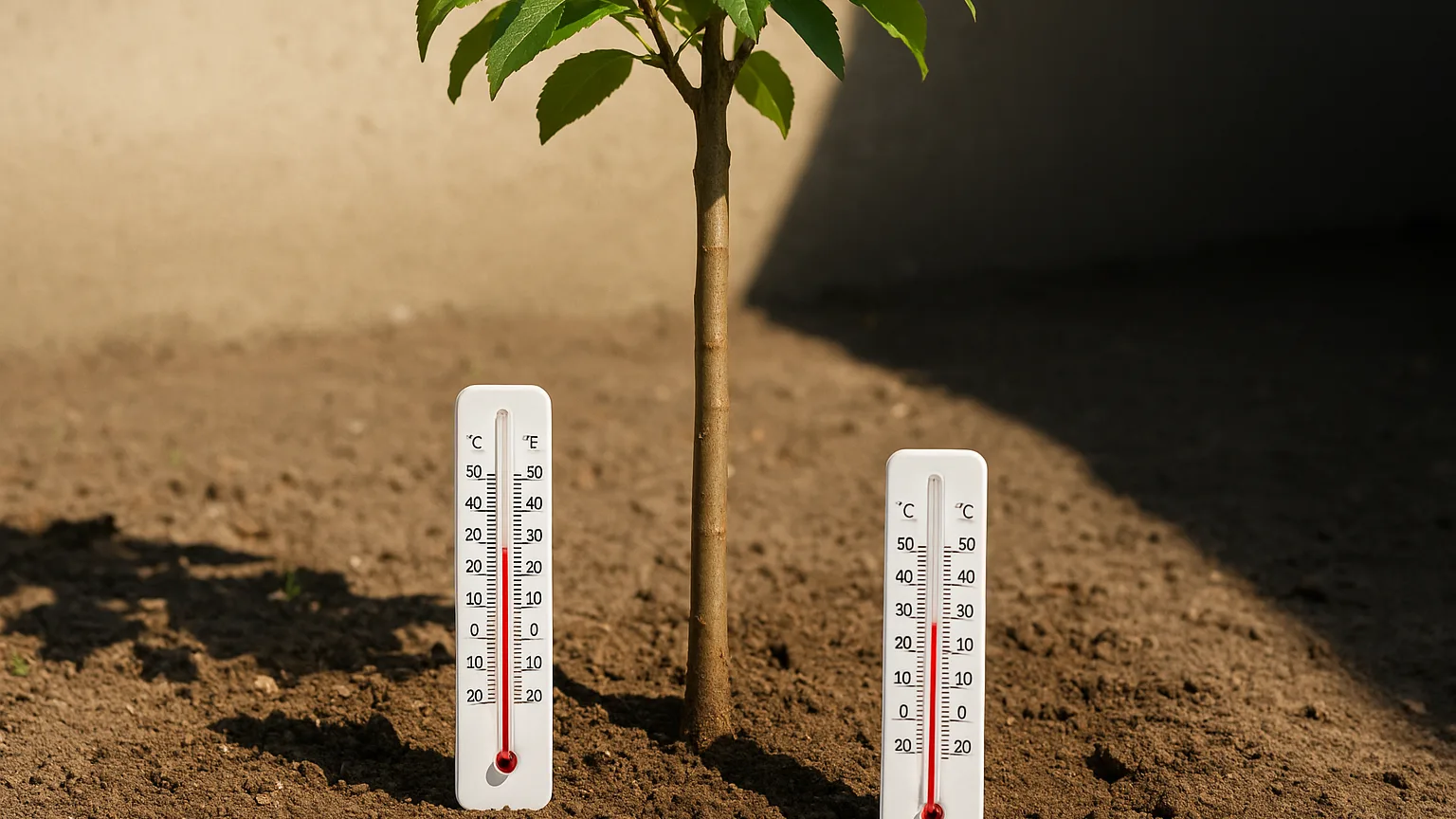
The answer sits underground and in the air. Soil chemistry shifts fast in Texas, sometimes within a single parcel. Heat reflecting off pavement, glass and south-facing brick can add serious degrees to a bed that looks shaded on paper. Drainage follows grade and compaction, not landscape plans. Microclimates form around loading docks, courtyards and drive-through lanes.
This part teaches site reading before spending: how to test, where to dig, what to watch after a heavy rain, and which clues predict a plant's future better than any tag at the nursery.
The Season Most Properties Get Wrong
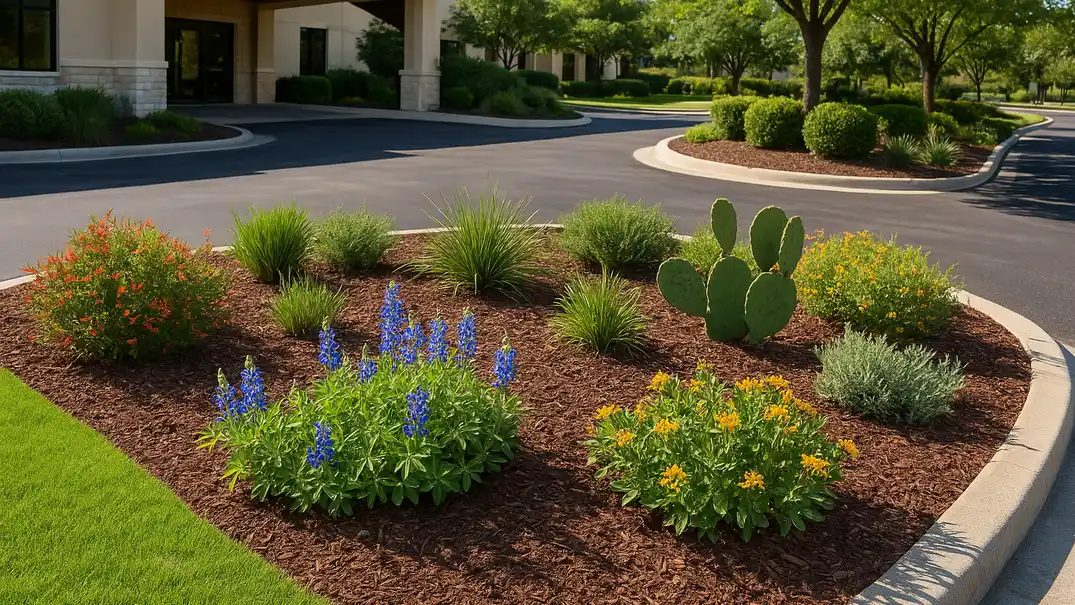
The third part moves from design to discipline. It focuses on the weeks before winter, when the grounds still look fine and the temptation is to stop spending. That shortcut, skipping the late-season work, is what undoes a year of investment. Roots go into cold weather unprepared. Soil stays compacted. Freeze damage that could have been prevented shows up as a spring replacement bill.
From there the part builds a year-round care calendar shaped around the real Texas year: a short spring push, a long defensive summer, a critical fall window, and a winter that swings from mild to punishing with little warning. It covers mowing heights that protect roots, irrigation timing that matches the season rather than the thermostat, pruning windows that do not invite damage, and the inspection habits that catch small problems while they are still cheap.
Read in order, the series moves the way a property does: choose the right plants, understand the ground they sit in, then care for both on a schedule that respects the climate. Skip any one of those and the other two underperform. That is why a landscape can look neglected even when someone is clearly spending money on it.
Start at part one if you are planning a redesign or questioning a water bill. Jump to part two if your plants keep failing in the same few spots. Go straight to part three if the grounds look good right now and you want them to look that way next April.